I recommend going to the Materials tab and changing the Texture Source to Minecraft textures when using this tool. This is a great inspiration for building custom trees.


Facelapse is the original face-aligned selfie timelapse app for Android. Take a selfie a day, and Facelapse auto-aligns your face to create a smooth daily photo timelapse video. Free on Google Play.

Album art display for tasteful music lovers

Tampermonkey script to push Google Keep list to TRMNL - ellipticview/trmnl-google-keep

The Dropout CEO on encouraging competition in his players and the ways he stops himself from turning into Mr. Beast.

Photograph political mail or an ad and find out who paid for it.

Browse the best Overwatch Stadium builds, explore hero dashboards, and see weekly top picks. Join thousands of players optimizing their Stadium Mode strategies.

open firmware for the spotify car thing. a full system image, daemon, and companion app to restore your thing to its former glory.


Cormac McCarthy’s novel, The Road. This book of fiction, perhaps prophecy, follows several days of the journey of a man and his son over the burned and devastated terrain of our planet. Thei…
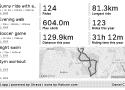
strmnl.app integrates with Strava to display your training activities on the TRMNL device, providing a seamless, no-pressure way to stay motivated and achieve your fitness goals.
This works beautifully!

KOReader plugin: push Kindle reading + device telemetry to Home Assistant via the REST API - hudsonbrendon/hatelemetry.koplugin

Native KOReader integration for Home Assistant
Floppy is a self-hosted, all-in-one media tracker for movies, TV, anime, books, games, music, podcasts, and more.

webhook is a lightweight incoming webhook server to run shell commands - adnanh/webhook
Floccus offers seamless cross-browser bookmarks syncing, making it easy to manage your bookmarks across multiple devices with your privacy in mind. Discover how to enhance your browsing experience.
Explore the IndieWeb, the slow web, the independent web, one blog per day